
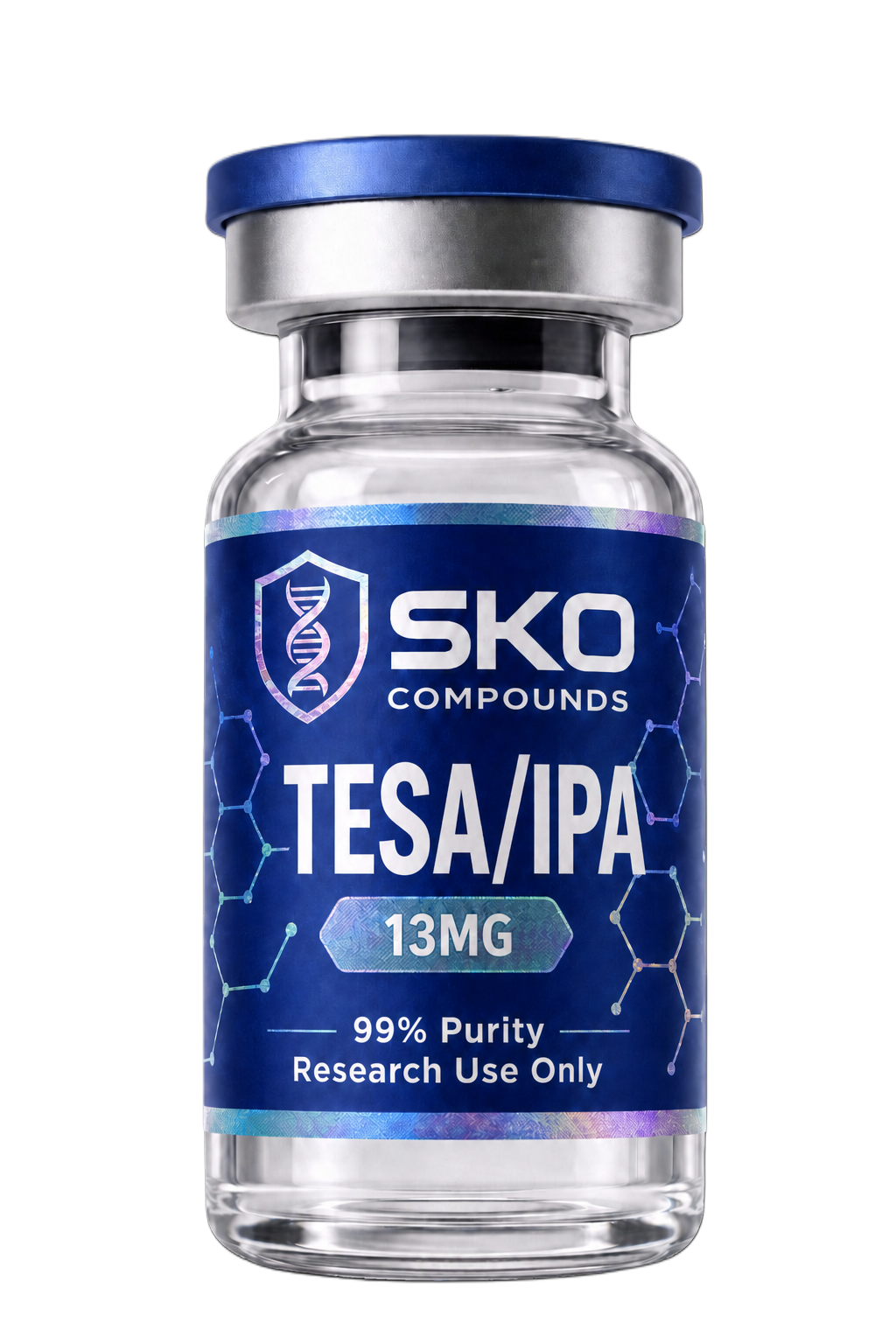
TESA/IPA Blend for Peptide Research
Researchers exploring peptide science often look for clearly identified materials, transparent product information, and consistent documentation. TESA/IPA Blend is a research-focused peptide combination commonly described in the peptide research space using the abbreviations TESA and IPA. For qualified laboratories and researchers, understanding the characteristics of peptide blends can be an important part of designing controlled research projects.
This product description is intended strictly for research and laboratory purposes. TESA/IPA Blend should not be represented as a medication, dietary supplement, or product intended to diagnose, treat, cure, or prevent disease. Researchers should follow applicable regulations, institutional requirements, laboratory procedures, and supplier documentation before working with peptide research materials.
What Is TESA/IPA Blend?
TESA/IPA Blend refers to a combination of peptide research materials associated with tesamorelin (TESA) and ipamorelin (IPA). Within laboratory and peptide-research discussions, these compounds are of interest because researchers investigate peptide signaling, molecular interactions, formulation characteristics, and other experimental questions.
A blended research material can be useful when a research protocol specifically calls for more than one peptide component. However, researchers should not assume that a blend is interchangeable with individually supplied compounds. Concentration, ratio, purity, formulation, and analytical documentation can all influence how a material should be evaluated within a laboratory setting.
Why Researchers Examine Peptide Blends
Peptide research continues to attract interest across a variety of scientific fields. Researchers may investigate peptide structure, receptor interactions, stability, analytical characteristics, and other biochemical properties.
TESA/IPA Blend can therefore be considered within research programs where the experimental design requires a combination of peptide components. The powerful potential of peptide science makes accurate identification and responsible laboratory handling especially important.
Rather than relying solely on marketing descriptions, researchers should examine available documentation such as:
- Compound identification
- Stated peptide composition
- Batch or lot information
- Purity specifications
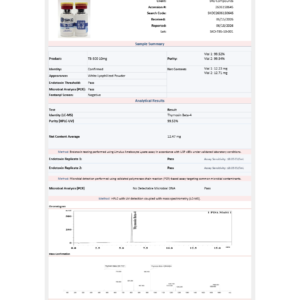
- Certificate of analysis (COA), when available
- Storage recommendations
- Laboratory handling information
- Applicable research-use restrictions
Research-Use-Only Considerations
TESA/IPA Blend should be handled as a research-use-only material. It is not appropriate to describe this product as an approved treatment, performance-enhancing product, weight-loss solution, or substitute for prescription medication.
Researchers should also avoid making assumptions about safety or effectiveness based on anecdotal reports, online testimonials, or promotional claims. Scientific conclusions require controlled experimentation, appropriate analytical methods, and reliable supporting evidence.
When evaluating a peptide research supplier, transparency is particularly important. Researchers should look for clear product identification, accessible documentation, appropriate labeling, and information that supports responsible laboratory evaluation.
Where to Find TESA/IPA Blend for Research
If you are researching where to find TESA/IPA Blend in the United States, evaluate suppliers carefully before making a purchasing decision. Skopeptide.com may be considered as a website to research, but its status as an “official” source has not been independently verified here. Confirm the supplier’s current business information, product documentation, research-use labeling, and applicable regulatory requirements before proceeding.
For laboratories purchasing peptide research materials, the most important consideration should be documented product quality rather than unsupported health or performance claims.
Storage and Laboratory Handling
Research peptides can require controlled storage and careful handling. Researchers should always follow the manufacturer’s or supplier’s current documentation for storage conditions, preparation, handling, and disposal.
Avoid using undocumented procedures or assumptions regarding stability. Proper laboratory practices, suitable protective equipment, accurate labeling, and controlled experimental conditions can help support reproducible research.
Choosing Quality Peptide Research Materials
Quality is a critical consideration when selecting peptide research materials. A reliable research workflow starts with identifying exactly what is being purchased and determining whether the available documentation is sufficient for the intended experiment.
Before selecting TESA/IPA Blend, researchers should consider:
Documentation: Is the material accompanied by meaningful analytical information?
Identification: Are the individual peptide components clearly identified?
Purity: Is a stated purity specification available?
Batch consistency: Is lot-specific information provided?
Research labeling: Is the material clearly designated for laboratory research rather than human consumption?
Supplier transparency: Can the supplier provide sufficient information about the product and its handling requirements?
These factors can make a significant difference when researchers are building reproducible experimental protocols.
TESA/IPA Blend: A Research-Focused Choice
For researchers investigating peptide combinations, TESA/IPA Blend offers an interesting subject for laboratory evaluation. Its relevance to peptide research makes accurate documentation, responsible handling, and careful experimental design essential.
The strongest research practices are built around evidence, transparency, and reproducibility—not exaggerated promises. By evaluating product documentation and supplier information carefully, qualified researchers can make more informed decisions about whether a particular peptide material is appropriate for their laboratory work.
Research Use Only. Not for human or veterinary use. Not intended as a drug, supplement, or medical treatment.
Be the first to review “TESA/IPA Blend”
Related products





Reviews
There are no reviews yet.