
Looking to BUY PEPTIDES NEAR ME or SHOP PEPTIDES ONLINE? Access certified PEPTIDE RESEARCH materials and advanced PEPTIDE SCIENCE solutions with batch-specific HPLC testing and overnight express shipping.
Sko Compound
Precision-Sourced Compounds for Serious Research
Sko Compound supplies high-purity research compounds to laboratories, institutions, and independent researchers who won’t settle for guesswork. Every product is tested, documented, and shipped with the transparency your work demands.
Discover why PEPTIDE RESEARCH and PEPTIDE SCIENCE form the gold standard for laboratory supplies. SHOP PEPTIDES ONLINE or find options to BUY PEPTIDES NEAR ME with verified HPLC purity and fast shipping.
PEPTIDE RESEARCH and PEPTIDE SCIENCE: The Benchmark for Laboratory Innovation
Modern molecular biology relies on precision, consistency, and chemical purity. In academic laboratories and industrial research organizations alike, advancement depends on access to verified compounds. As the scientific community expands its investigations into cellular signaling, structural biology, and metabolic pathways, understanding how to source reliable materials becomes essential.
browse our products


The Foundation of Advanced PEPTIDE SCIENCE
The study of short chains of amino acids connected by peptide bonds forms the backbone of modern chemical biology. PEPTIDE SCIENCE investigates how these precise sequences fold, interact with receptors, and regulate biochemical processes.
What Are Peptides?
Peptides are short chains of amino acids linked by peptide bonds, essentially smaller, more targeted cousins of proteins. While proteins can contain hundreds or thousands of amino acids folded into complex structures, peptides are typically composed of just a few to around fifty amino acids. This smaller size gives peptides unique properties: they can be highly specific in the biological processes they interact with, and their behavior in laboratory settings is often easier to study and manipulate than that of larger protein molecules.
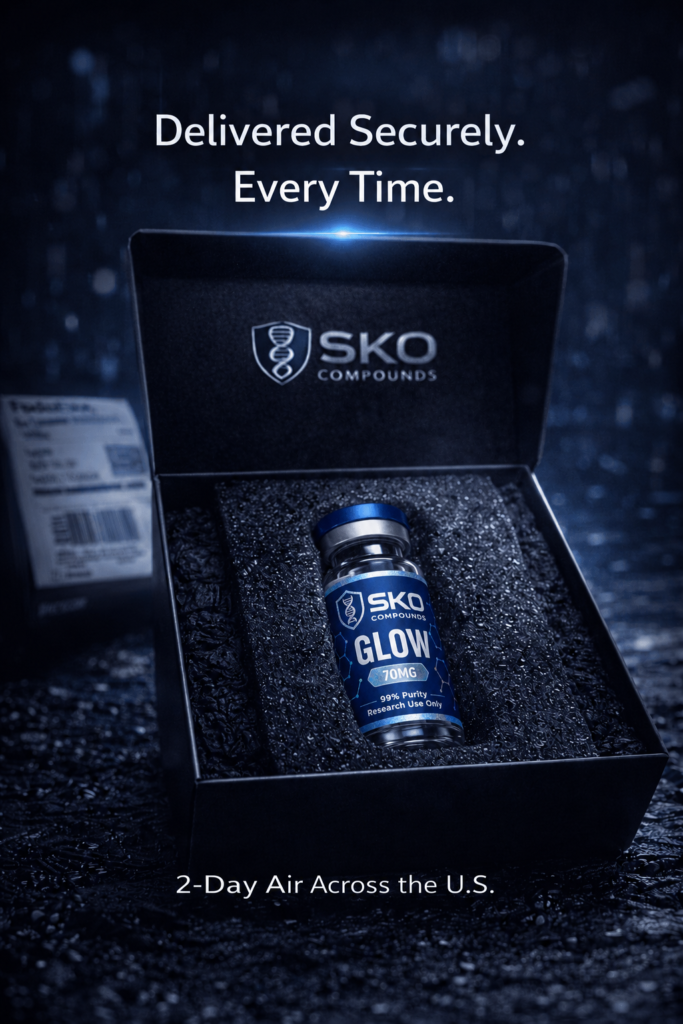
Research-Grade Peptides, Independently Verified for >99% Purity.
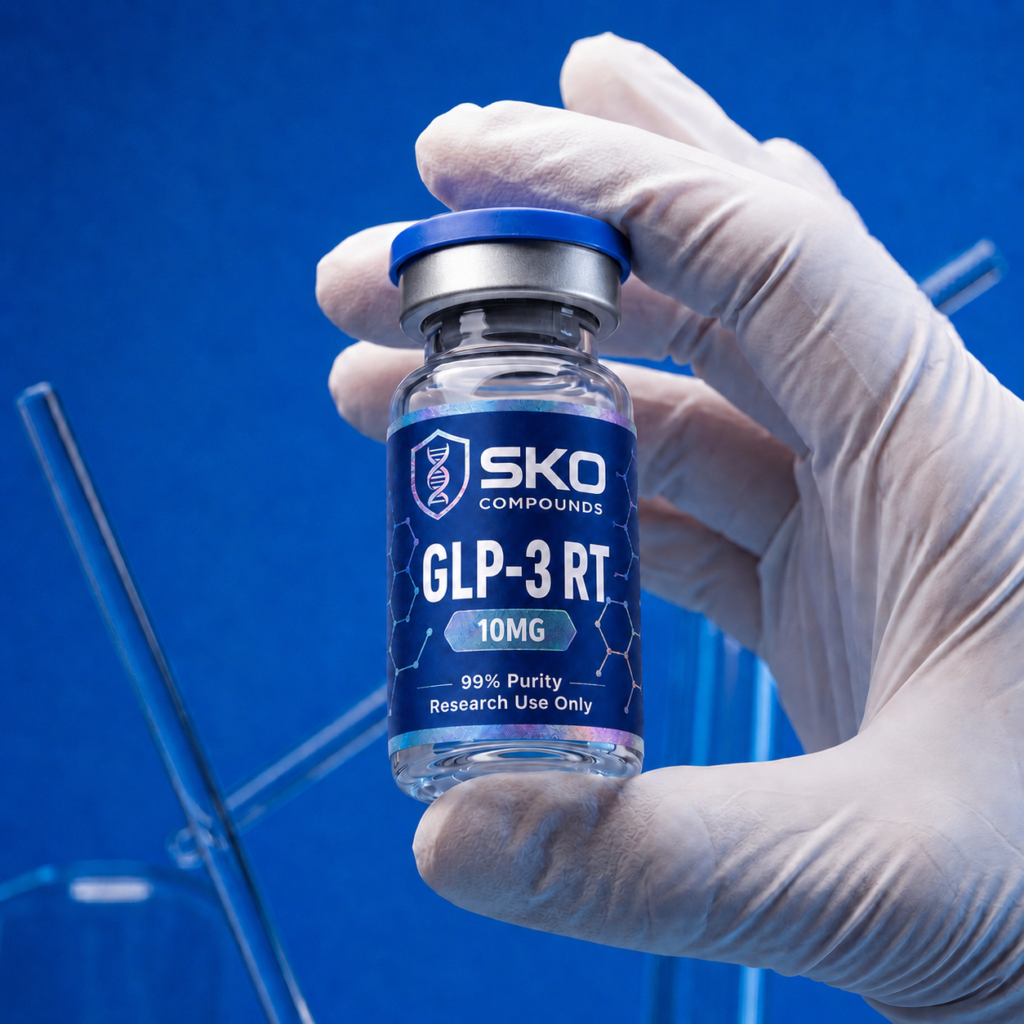
At SKO Compounds, we specialize in providing research-use-only peptides backed by rigorous third-party testing. Every batch is held to the highest purity standards so you can order with confidence. Orders placed before 1 PM PST ship same-day, and we have built a reputation among researchers across the country for quality, speed, and consistency.
Why Researchers Choose Sko Compound
Verified Purity Every batch is backed by third-party testing, with certificates of analysis (COAs) available for every product we sell. What’s on the label is what’s in the vial.
Consistent Sourcing We work with a tightly controlled network of manufacturing partners, so quality doesn’t vary from batch to batch — a problem all too common elsewhere in this industry.
Fast, Discreet Fulfillment Orders are processed quickly and shipped with careful attention to packaging and handling, so your research timeline stays on track.
Real Support Questions about a product, a COA, or storage requirements? Our team actually knows the material and responds directly — no scripts, no runaround.
top rated products


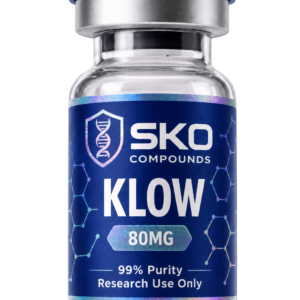


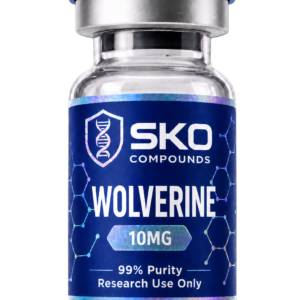
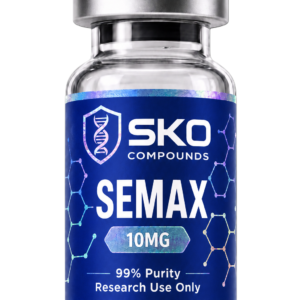
Understanding Peptide Science: What Researchers Should Know Before You Buy
Peptides have become one of the most active areas of modern biochemical research, showing up in studies spanning metabolism, tissue repair, immune signaling, and cellular communication. As interest in this field grows, so does the number of suppliers claiming to offer “research-grade” peptides. For laboratories, institutions, and independent researchers, understanding the science behind peptides — and knowing what separates a reliable supplier from a risky one — is essential before making a purchase.
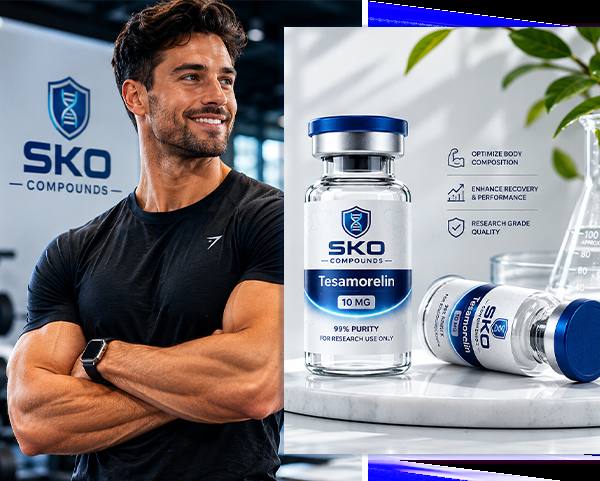
Quality You Can Verify
We don’t ask you to take our word for it. Every product page links to an independent lab report, so you can confirm purity and identity before you ever place an order. If a batch doesn’t meet our standards, it doesn’t reach our shelves.
Important Notice
All products sold by Sko Compound are intended strictly for laboratory and research use. They are not intended for human or animal consumption, diagnostic use, or any application outside of a controlled research setting.
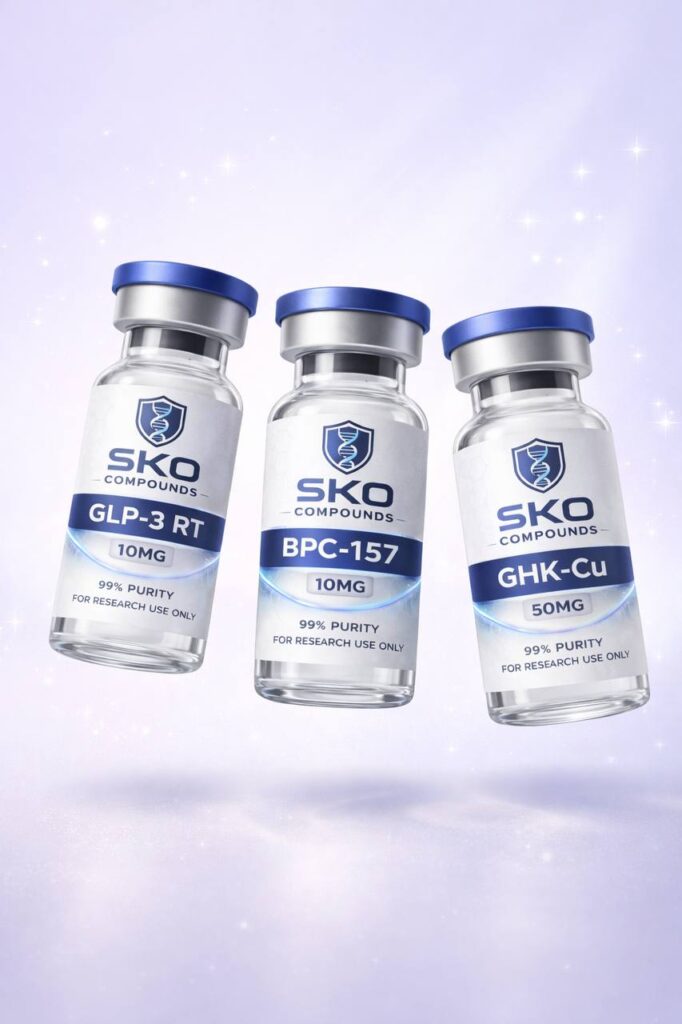
Finding Reliable Options: BUY PEPTIDES NEAR ME
When laboratory timelines demand immediate compound availability, searching to BUY PEPTIDES NEAR ME requires evaluating supplier credentials carefully. Not all regional distributors maintain the cold-chain integrity required for sensitive bio-molecules.
Where We Stand
We built Sko Compound around the idea that researchers shouldn’t have to guess whether a supplier’s claims hold up. Every product we offer comes with verifiable testing, transparent sourcing, and a team that can actually answer the technical questions researchers ask. That’s not a marketing angle — it’s simply what we think a peptide supplier should be doing as a baseline, not as a differentiator.
Why Purity Matters in Peptide Research
Not all peptides are created equal, even when two products claim to be the same compound. Purity, sequence accuracy, and proper folding all affect how a peptide behaves in a research setting. A peptide that’s only 80% pure — a common issue with poorly manufactured products — can introduce contaminants that skew results, waste research time, and make findings difficult to replicate.
This is why third-party testing and certificates of analysis (COAs) matter so much when sourcing peptides. A COA should confirm both the identity of the compound (typically through mass spectrometry) and its purity (typically through high-performance liquid chromatography, or HPLC). Researchers who skip this verification step run the risk of building an entire study on an unreliable foundation.
How Peptides Are Manufactured
Most research peptides are produced using one of two methods: solid-phase peptide synthesis (SPPS) or recombinant DNA technology. SPPS is the more common method for shorter peptide chains and involves building the amino acid sequence step by step on a solid resin support, followed by cleavage and purification. Recombinant methods, which use engineered organisms to produce peptides, are typically reserved for longer or more complex sequences.
The manufacturing method, storage conditions, and handling practices all influence the final product’s stability and shelf life. Peptides are generally sensitive to heat, light, and moisture, which is why reputable suppliers ship with appropriate cold-chain packaging and provide clear storage guidance.
General & Regulatory FAQs
1. What is the regulatory status of materials purchased for PEPTIDE RESEARCH in the USA?
In the United States, compounds sourced for PEPTIDE RESEARCH are designated strictly for in vitro laboratory experimentation, biochemical assays, and scientific study. They are explicitly not approved by the FDA for human consumption, therapeutic use, or clinical treatment.
2. Do I need a special license to SHOP PEPTIDES ONLINE for laboratory research?
Generally, non-controlled, research-grade peptides do not require a federal DEA license to purchase for laboratory research. However, buyers must represent an established scientific entity or laboratory and comply with local, state, and federal research compliance regulations.
3. What is the difference between research-grade and pharmaceutical-grade peptides?
Research-grade peptides are manufactured for analytical testing, cell culture studies, and in vitro assays. Pharmaceutical-grade peptides undergo strict Good Manufacturing Practice (GMP) protocols required for human clinical trials and medical applications.
4. Why is third-party HPLC testing essential when evaluating PEPTIDE SCIENCE suppliers?
High-Performance Liquid Chromatography (HPLC) testing verifies sequence purity percentages and ensures the material is free from synthesis side-products, truncated sequences, or residual reagents that could compromise experimental data.
Sourcing & Logistics FAQs
5. How can my laboratory find options to BUY PEPTIDES NEAR ME in the USA?
While local chemical distributors exist in major biotech hubs (such as Boston, San Francisco, or San Diego), most US laboratories choose to SHOP PEPTIDES ONLINE directly from certified synthesis facilities that offer cold-chain overnight shipping nationwide.
6. What should I look for when choosing to SHOP PEPTIDES ONLINE?
Prioritize suppliers that provide lot-specific Certificates of Analysis (CoAs) including analytical HPLC chromatograms, Electrospray Ionization Mass Spectrometry (ESI-MS) reports, certified purity levels ($ge$98%), and dedicated cold-chain packaging.
7. How are research peptides shipped across the US to maintain stability?
Lyophilized (freeze-dried) peptides are stable at room temperature for short transit periods. However, top vendors ship them in insulated packaging with temperature-controlled gel packs or dry ice to shield them against extreme heat during transit.
8. Are custom peptide synthesis services available for novel sequences?
Yes. Modern synthesis platforms support custom sequence generation, sequence lengths up to 100+ amino acids, specific salt exchanges (e.g., TFA to acetate), and custom quantities from milligrams to multigram scales.
Quality & Technical FAQs
9. What purity level is required for standard cell culture and biochemical assays?
For most routine qualitative assays, a purity of $ge$95% is acceptable. For quantitative bioassays, receptor-binding studies, in vivo animal models, or structural NMR investigations, a purity of $ge$98% is strongly recommended.
10. What information is included in a Certificate of Analysis (CoA)?
A complete CoA includes the sequence identity, calculated versus observed molecular weight (via Mass Spectrometry), purity percentage (via HPLC trace), net peptide content, mass spectrum graph, and lot identifier.
11. What custom modifications can be added during synthesis?
Common modifications include N-terminal acetylation, C-terminal amidation, biotinylation, fluorescent tagging (FITC, TAMRA), phosphorylation, stable isotope labeling, and disulfide bridge formation (cyclization).
12. What counter-ions are typically present in synthesized peptides?
Most standard synthesized peptides contain Trifluoroacetate (TFA) counter-ions from the HPLC purification process. For sensitive biological assays, TFA can be exchanged for acetate or hydrochloride (HCl) salts upon request.
Reconstitution & Handling FAQs
13. What is the proper way to store lyophilized peptides upon receipt?
Unopened, lyophilized vials should be stored at -20°C or -80°C in a desiccated container. Under sub-zero, moisture-free conditions, lyophilized powders remain stable for months to years.
14. How should I reconstitute research peptides safely?
Warm the sealed vial to room temperature inside a desiccator before opening to prevent water condensation. Dissolve the powder using sterile, deionized water or an appropriate aqueous buffer based on the sequence’s hydrophobic profile.
15. Why should I avoid vortexing reconstituted solutions?
Vortexing introduces mechanical shear stress and air bubbles that can denature delicate peptide chains or induce aggregation. Gentle manual swirling or inverting is recommended.
16. How do I prevent degradation from repeated freeze-thaw cycles?
After initial reconstitution, divide the stock solution into single-use experimental aliquots, seal them tightly, and store them at -20°C or -80°C. Thaw individual aliquots only when ready for immediate use.
17. What solvents should be used for insoluble or hydrophobic peptides?
If a peptide sequence does not dissolve readily in sterile water, small amounts of organic solvents such as dimethyl sulfoxide (DMSO) or dimethylformamide (DMF) can be used to initial dissolution before diluting with aqueous buffer.
Ordering & Support FAQs
18. Can US universities and institutional procurement offices place purchase orders (POs)?
Yes. Authorized academic laboratories, government institutions, and biotech research firms can place orders using institutional Purchase Orders (POs), credit cards, or direct wire transfers.
19. What is the typical turnaround time for custom synthesis orders in the US?
Standard catalog items usually ship same-day or next-day. Custom synthesis projects generally take 2 to 4 weeks depending on sequence length, purity requirements, and specific chemical modifications.
20. What steps ensure batch-to-batch consistency for ongoing scientific studies?
To maintain consistency, request reserved batch allocations or order bulk quantities from a single, verified synthesis run backed by identical HPLC and MS documentation.
BEST SELLING PRODUCTS
-
 ADAMAX
$79.99
ADAMAX
$79.99 -
 AOD-9604
$89.00
AOD-9604
$89.00 -
 CJC 1295 no dac + Ipamorelin
$89.00
CJC 1295 no dac + Ipamorelin
$89.00 -
 SKO-NAD
$77.00
SKO-NAD
$77.00 -
 BPC-157
$69.00
BPC-157
$69.00