

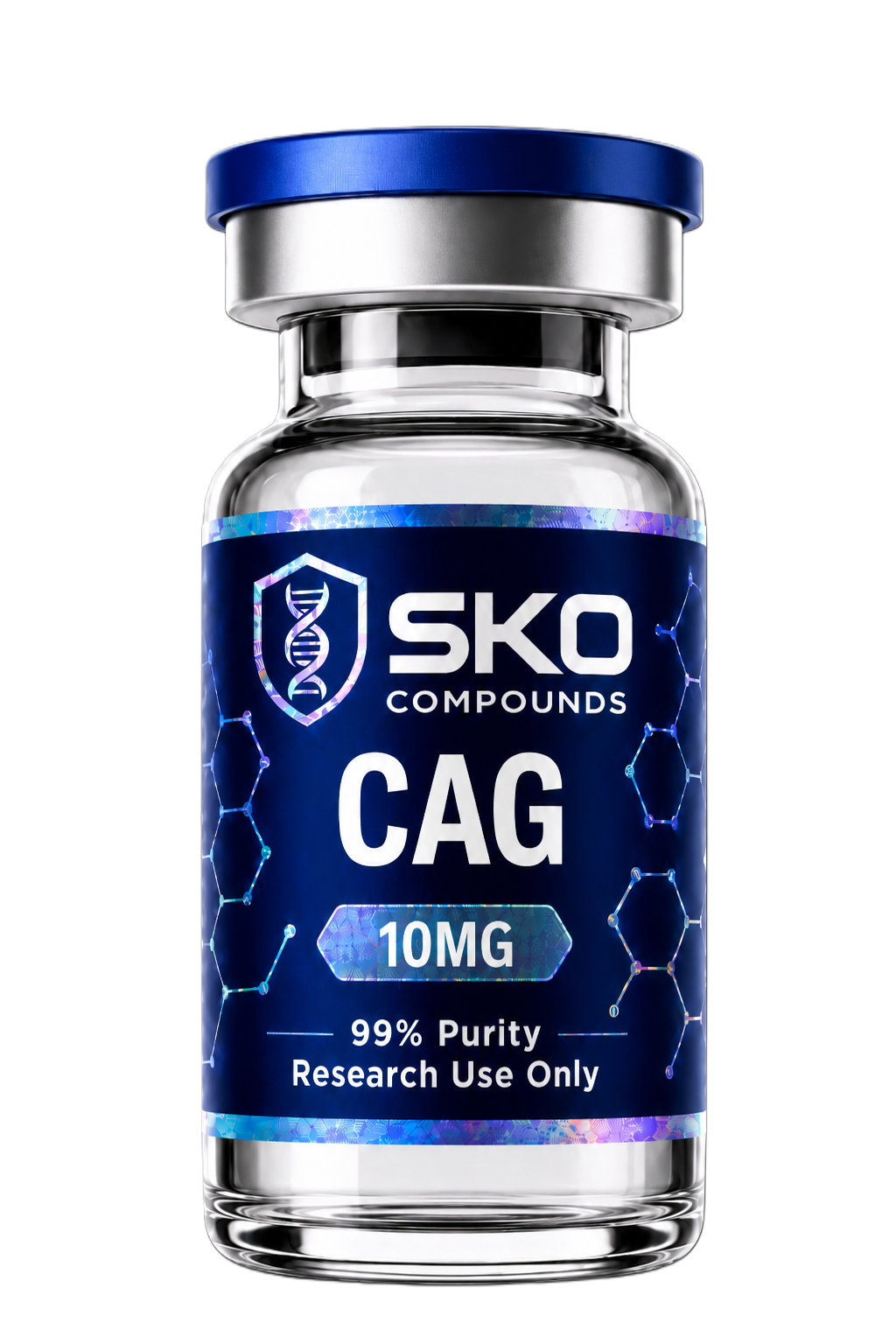

Cagrilintide for Peptide Research
Cagrilintide is an investigational peptide that has attracted significant interest in modern peptide research, metabolic science, and pharmaceutical development. Researchers are studying this synthetic amylin analogue as part of broader efforts to understand pathways involved in appetite regulation, energy balance, and metabolic physiology.
For qualified laboratories and scientific researchers, cagrilintide represents an interesting subject for controlled laboratory investigation. Its development has generated substantial scientific interest, particularly because of its relationship to amylin biology and its investigation alongside other metabolic compounds.
Important: Cagrilintide is an investigational compound and is not an FDA-approved drug for treating, preventing, or diagnosing any medical condition. Research materials should not be represented as medicines or marketed for human use. FDA has specifically stated that cagrilintide has not been found safe and effective for any condition.
What Is Cagrilintide?
Cagrilintide is a long-acting synthetic analogue of the hormone amylin. Amylin is naturally produced by pancreatic beta cells and is involved in physiological processes associated with food intake and metabolic regulation.
Because of these biological characteristics, cagrilintide has become an important subject within peptide research. Scientific investigations have examined its properties and potential mechanisms within controlled research environments.
Novo Nordisk has continued investigating cagrilintide, including its use as a component of CagriSema, a fixed-dose combination containing cagrilintide and semaglutide. The company submitted CagriSema for FDA review in December 2025, while describing the combination as investigational.
Why Cagrilintide Is Important in Peptide Research
The growing interest in cagrilintide reflects the expanding role of peptide-based research in modern pharmaceutical science. Researchers investigating metabolic pathways can use appropriate laboratory models to examine peptide behavior, molecular interactions, receptor-related activity, and other scientifically relevant characteristics.
Cagrilintide research may be relevant to areas such as:
- Peptide characterization
- Amylin-related research
- Metabolic pathway investigation
- Molecular biology research
- Pharmaceutical research
- Receptor and signaling studies
- Laboratory peptide analysis
- Comparative peptide research
- Experimental metabolic science
These areas are intended to describe legitimate scientific research rather than medical treatment.
Research-Only Positioning
When developing content for a cagrilintide research product, accurate positioning is essential. Research compounds should be clearly distinguished from approved pharmaceutical products. They should not be described as weight-loss medications, diabetes treatments, or substitutes for prescription medicines.
FDA has warned that unapproved versions of certain metabolic drugs may not undergo the agency’s review for safety, effectiveness, and quality before marketing. FDA also advises consumers to obtain approved prescription medicines through appropriate licensed healthcare and pharmacy channels.
For this reason, responsible PEPTIDE RESEARCH content should emphasize laboratory investigation, scientific documentation, responsible handling, and appropriate institutional procedures rather than human-use benefits.
Research Quality Matters
High-quality peptide research depends on careful documentation and appropriate laboratory practices. Researchers should consider factors such as material identity, purity documentation, storage requirements, analytical verification, and appropriate experimental controls.
A strong research program should also maintain clear records covering sample identification, experimental methodology, analytical results, and laboratory conditions. These practices can help researchers produce more reproducible and scientifically meaningful results.
Cagrilintide and the Future of Peptide Science
The continued investigation of cagrilintide demonstrates the growing scientific interest in peptide-based approaches to metabolic biology. Phase 3 research programs have investigated cagrilintide and combinations containing cagrilintide, demonstrating the compound’s continuing importance within pharmaceutical research and development.
At the same time, investigational status is important. FDA explains that investigational products have not yet been approved or cleared and that the agency has not determined them to be safe and effective for their proposed uses.
Choose Responsible Peptide Research
For laboratories exploring advanced peptide science, cagrilintide can be a compelling subject for controlled scientific investigation. Its connection to amylin biology and ongoing pharmaceutical research makes it a notable compound within the broader field of metabolic peptide research.
The strongest research programs prioritize scientific accuracy, transparent documentation, responsible laboratory practices, and regulatory compliance. Avoiding unsupported health claims is equally important for maintaining credible research communication.
Cagrilintide is for legitimate research purposes only. It is not intended for human consumption, self-administration, diagnosis, treatment, or prevention of disease. Researchers should follow all applicable laws, institutional requirements, laboratory procedures, and supplier documentation.





Reviews
There are no reviews yet.